Dreaming about a place where you can slip into vacation mode, then be at Walt Disney World in minutes? If you are eyeing a second home in ZIP 34747 around Celebration, you are not alone. The area offers resort convenience, a charming town center, and strong travel demand. The flip side is that rules, taxes, financing, insurance, and HOA policies can make or break your plan. In this guide, you will learn how to choose the right property type, confirm rental permissions, budget for real costs, and avoid common surprises. Let’s dive in.
Why 34747 is a second‑home favorite
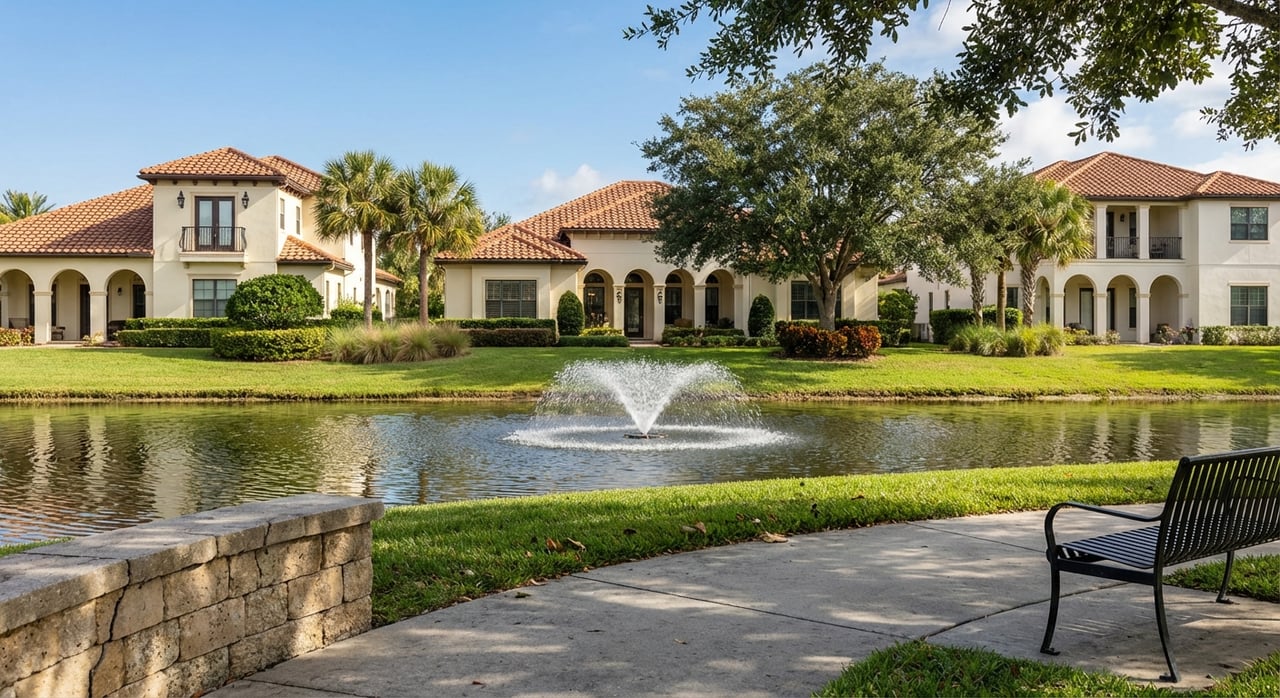
Celebration sits next to Walt Disney World and was originally developed by The Walt Disney Company. World Drive links Celebration to the park complex, which is a key draw for seasonal owners who want quick park access and a walkable town center feel. If you want background on the community’s origin and layout, review the overview for Celebration, Florida.
Prices vary widely across 34747. Portal snapshots have shown a lower median for the broader ZIP and a higher median inside Celebration proper, reflecting premiums for town center condos and larger single‑family homes. Expect big differences by village and product type. Always compare like‑for‑like comps before you set a budget or make an offer.
Decide how you will use the home
Before you shop, get clear on your plan. Your choice affects financing, taxes, insurance, and community rules.
- Second home for personal use: You use the property seasonally or on weekends. It is not primarily a rental business.
- Vacation rental used for short stays: You plan to list the home on platforms for transient rentals. Florida treats this as a licensed lodging use in many cases.
- Long‑term rental: You lease to tenants for more than six months at a time. Rules and licenses differ from short‑term rentals.
If you want any rental income at all, confirm permissions and taxes first. Do not assume rentals are allowed based on location alone.
Short‑term rental rules in 34747
Florida has a layered approach to vacation rentals. You may need state licensing, county registration, and you must follow your HOA or condo rules.
- State licensing: Florida’s Department of Business & Professional Regulation (DBPR) licenses vacation rentals. Review the DBPR vacation rental guidance early so you know if your plan requires a lodging license. Start with the DBPR Division of Hotels and Restaurants.
- County and city layers: Properties in unincorporated Osceola County and in incorporated cities can have different local steps, such as business tax receipts or inspections for STRs. Always check zoning and local registration where the property sits.
- HOA and condo rules: Many Celebration associations limit or prohibit short‑term rentals or require minimum lease terms. Obtain and read the recorded CC&Rs and condo documents and ask for written confirmation of the current rental policy.
Practical tip: If any one layer blocks STRs, you cannot operate legally. Clear the HOA rules and DBPR and county requirements in writing before you close.
Taxes you must collect for STRs
If you rent for short stays, you are responsible for lodging taxes. These must be handled correctly from day one.
- State sales tax: Florida imposes a 6 percent sales tax on transient rentals. See this overview of state rules on Florida STR taxes.
- County tourist tax: Osceola County levies a 6 percent Tourist Development Tax on rentals of 180 days or less. Review registration and payment steps using the county’s Tourist Development Tax guidance.
- Local surtax: Osceola can have a discretionary surtax that affects total sales tax collected. Combined lodging taxes in this market can approach about 13 to 13.5 percent when state, county, and surtax are added. Confirm your exact combined rate before modeling revenue.
- Registration and filing: You may need a Florida Department of Revenue sales tax account, a county TDT account, a city business tax receipt, and a DBPR lodging license. Platforms sometimes collect portions of taxes, but you are still responsible for full compliance and timely remittance.
Financing a second home near Disney
Lenders treat second homes differently from investment properties. Knowing the distinction helps you qualify with fewer surprises.
- Loan type and reserves: Conventional loans often allow second homes with lighter reserve requirements compared with investments. A common example is about two months of reserves for a second home versus about six months for an investment property. Check current underwriting with your lender. See typical reserve discussions in this agency guideline summary.
- Down payment: Many second‑home products allow around 10 to 20 percent down, depending on your credit and debt‑to‑income. Investment loans often require more.
- FHA and VA: FHA financing is generally for primary residences, with limited exceptions. VA loans have their own occupancy rules. Discuss your situation with a mortgage professional early.
- Pre‑approval fit: Get a pre‑approval that states your intended occupancy. Confirm whether any planned rental activity is allowed under the loan and what reserves are required. If you hope to use projected rental income to qualify, ask your lender about their documentation standards early.
Tax note: Mortgage interest on a qualified second home can be deductible, subject to IRS limits and personal‑use tests. If you rent the property for more than a minimal number of days, you will need to allocate income and expenses between personal and rental use. Review IRS Publication 936 and consult a CPA before you rely on any tax outcome.
Insurance, flood checks, and real‑world costs
Florida’s insurance market requires extra attention for second homes. Get quotes early and budget conservatively.
- Homeowners insurance: Pricing and availability vary by roof age, location, prior claims, and non‑primary occupancy. The state’s insurer of last resort, Citizens, reports ongoing market changes, and options can shift by carrier. Keep an eye on Citizens’ updates and work with a local insurance pro for quotes.
- Flood risk: Even outside mapped high‑risk zones, flood can occur. If the home is in a Special Flood Hazard Area and you have a federally backed mortgage, flood insurance is required. Pull a FIRMette for each address using FEMA’s Flood Map Service Center and get quotes from NFIP and private carriers. Ask about waiting periods and elevation certificates.
- HOAs, CROA, and CDDs: Celebration homes typically have HOA or condo dues, plus non‑ad valorem Community Development District assessments that appear on the annual tax bill. Learn what services the CDD covers and how assessments work on the Celebration CDD overview. Request recent budgets and ask about any special assessments.
- STR operating costs: If you plan to host guests, include cleanings, supplies, utilities, platform fees, insurance riders, furniture replacement, and property management. Plan for a local 24/7 contact to meet safety and nuisance response expectations.
- Hurricane season planning: Model wind or named‑storm deductibles, set aside reserves for shutters or roof work, and plan an emergency check‑in process for guests during June through November.
Celebration checks before you write an offer
Use this shortlist to avoid costly surprises after closing.
- Confirm the exact village and association. Identify whether CROA or a condo association governs your home and get recorded CC&Rs, rules, and recent meeting minutes.
- Verify STR permissions. If you want to short‑term rent, get written confirmation of the HOA or condo policy and review DBPR and county steps.
- Pull flood data and quotes. Order a FEMA FIRMette, request an elevation certificate if needed, and secure homeowners and flood insurance quotes before your inspection period expires.
- Review CDD and HOA costs. Request adopted budgets, look for outstanding bond debt or planned capital projects, and ask about special assessments.
- Match your pre‑approval to your plan. Tell your lender it is a second home or an investment so your product, reserves, and rate are quoted correctly.
- Map out tax collection. Confirm which booking platforms collect state sales tax or TDT automatically and register where required.
- Set up local support. Line up a licensed property manager or trusted contractor for guest support, maintenance, and emergencies.
Quick buyer checklist
- Confirm whether your plan requires a DBPR vacation rental license and read the steps in the DBPR vacation rental guide.
- Check flood zones for each address on FEMA’s Flood Map Service Center and get insurance quotes.
- Get a pre‑approval that reflects second‑home or investment occupancy and review typical reserve needs using this lender guideline summary.
- Request CDD and HOA documents and learn what the CDD funds on the Celebration CDD overview.
- Register for the county’s TDT if you plan to rent short term and study collection steps using the Osceola TDT guidance.
How a local advisor helps you win
A smart plan can turn a good purchase into a great one. You want an agent who understands Celebration’s villages, CDD assessments, and the difference between a true second home and a vacation rental. You also want someone who will connect you with lenders, insurance pros, and property managers who work this corridor every day.
With a boutique, client‑first approach across Central Florida, Richard Sherrod helps you compare neighborhoods, review association rules, understand real operating costs, and negotiate with confidence. If you want to explore 34747, talk through STR pros and cons, or map out the right timeline, reach out. You will get patient, clear guidance from search to close.
Ready to start? Connect with Richard Sherrod to plan your second‑home move near Disney.
FAQs
How close is Celebration to Disney parks?
- Celebration is adjacent to Walt Disney World, with World Drive connecting the community to the park complex, which keeps drive times short depending on traffic and the specific park entrance.
Are short‑term rentals allowed in Celebration, FL?
- Many associations in Celebration restrict or prohibit short‑term rentals, and operators may also need a DBPR lodging license plus county tax registration, so you must verify HOA or condo rules and regulatory steps before you buy.
What taxes apply if I rent my 34747 home to visitors?
- Expect Florida’s 6 percent sales tax, Osceola County’s 6 percent Tourist Development Tax, and a possible local surtax that can push combined lodging taxes toward about 13 to 13.5 percent, with owner registration and remittance required.
What down payment do I need for a second home near Disney?
- Many conventional second‑home loans allow around 10 to 20 percent down with typical reserve needs of about two months, while investment loans often require larger down payments and higher reserves.
Do I need flood insurance in 34747?
- Lenders require flood insurance if your property is in a Special Flood Hazard Area and your loan is federally backed, and many owners in lower‑risk zones still choose coverage after checking the FEMA map and getting quotes.
What are CDD and HOA costs in Celebration?
- Celebration properties often have HOA or condo dues plus Community Development District assessments that appear on the tax bill, and exact amounts vary by village and product so you should review current budgets and any special assessments before you offer.