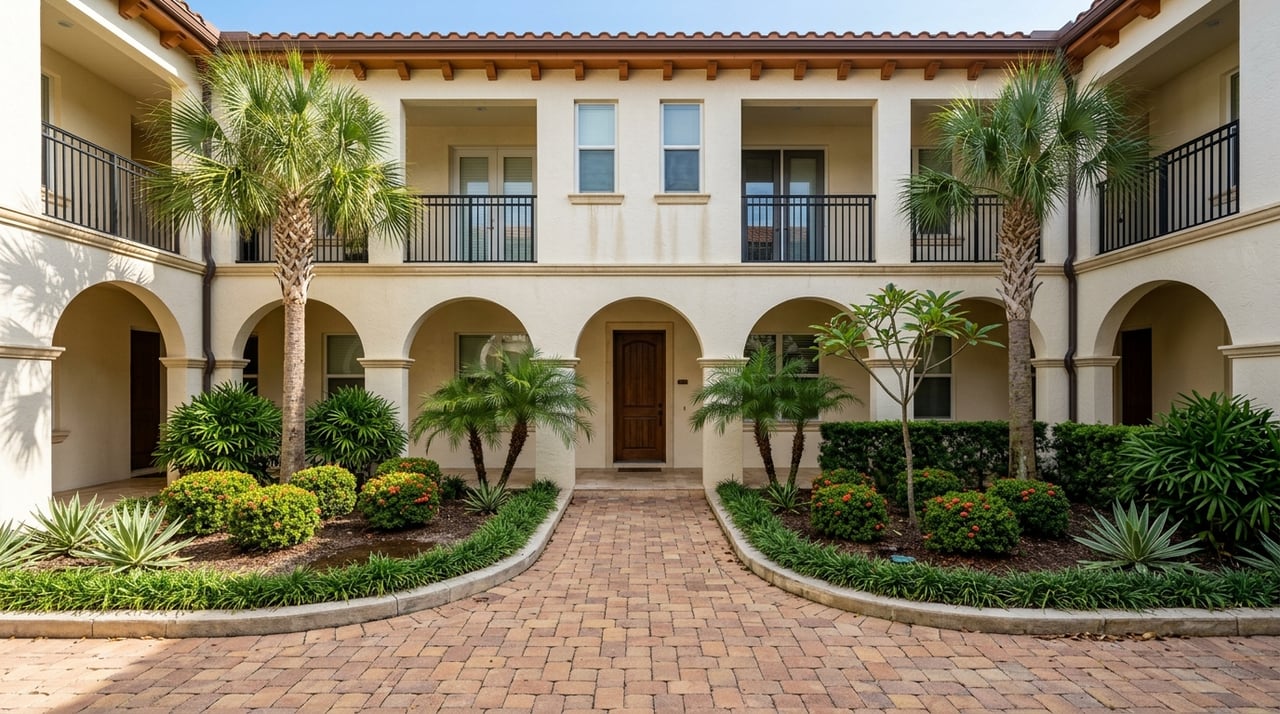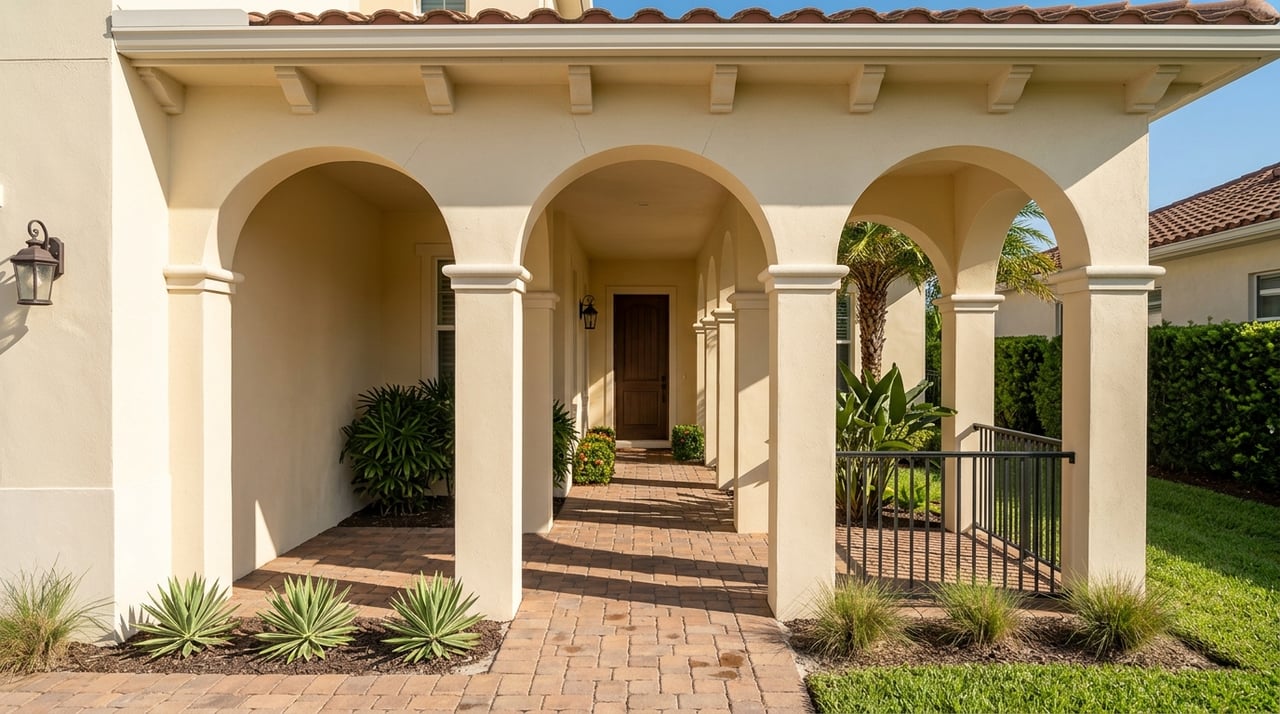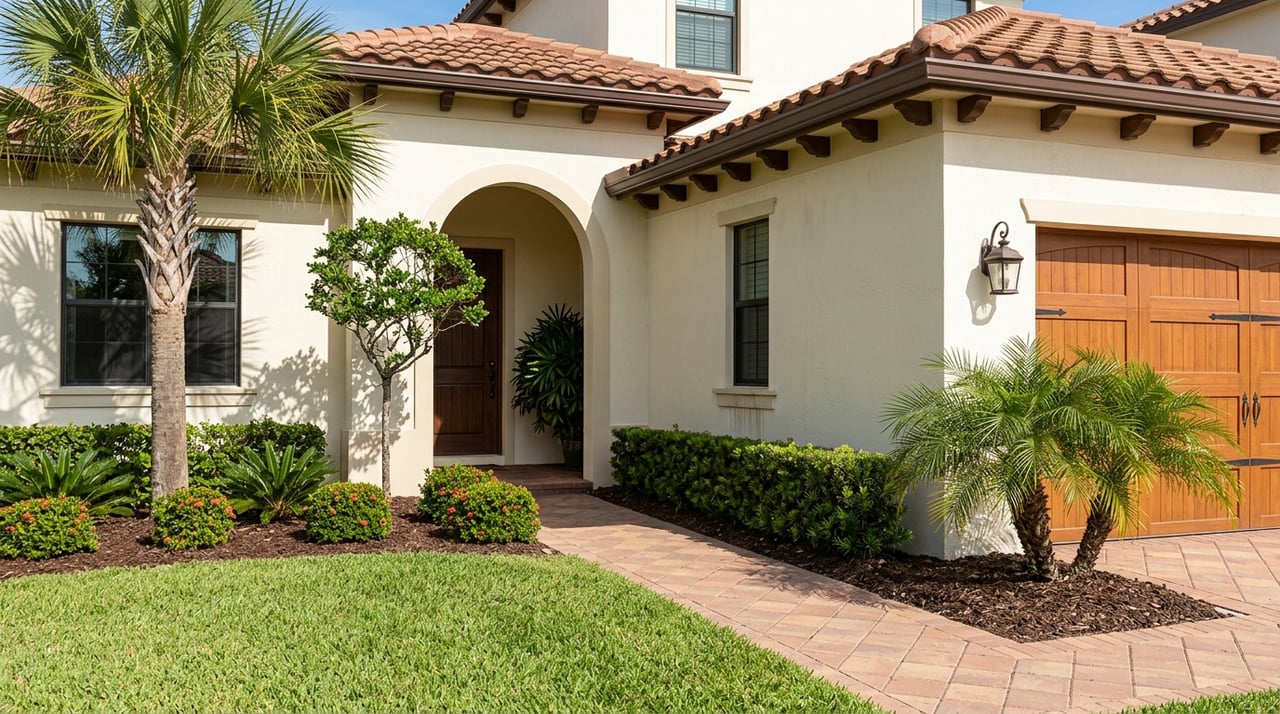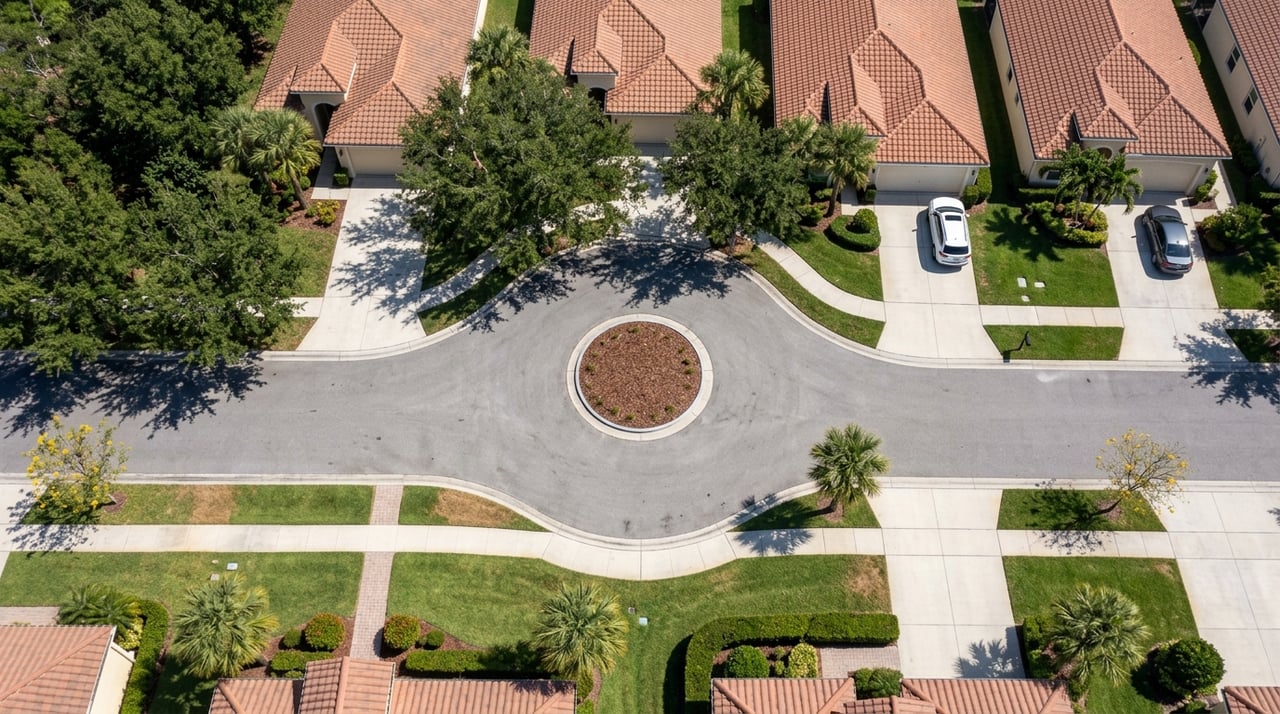
If you have been watching Orlando real estate, you may have noticed something that seems contradictory: inventory has risen, but prices have not fallen off a cliff. That can feel confusing whether you are buying, selling, or trying to decide when to make your move. The good news is that the market makes more sense when you look at the bigger Central Florida trends behind it. Let’s dive in.
Population Growth Supports Demand
One of the biggest forces shaping the Orlando housing market is continued population growth across Central Florida. The Orlando-Kissimmee-Sanford metro reached 2,957,672 residents in 2025, making it one of the country’s top metros for numeric growth.
That matters because more people usually means more households looking for places to live. HUD reported that population growth has stayed strong since 2010, driven primarily by net in-migration. HUD also noted that household growth has outpaced population growth since 2020, which helps explain why housing demand has remained steady even as affordability has become more challenging.
This growth is not limited to downtown Orlando or one part of Orange County. MetroPlan Orlando’s 2024 estimates showed year-over-year growth in Orlando, Winter Garden, Oviedo, Sanford, Osceola County, and Lake County. In practical terms, that means demand is spread across the region, not concentrated in a single pocket.
Job Growth Keeps the Market Active
Housing demand is also tied closely to the local economy. The Bureau of Labor Statistics reported 1.496 million nonfarm jobs in the Orlando metro in January 2026, with a 4.2% unemployment rate.
For you as a buyer or seller, a large and active job market matters because it supports household formation and purchasing power. When more people are working, more people can qualify for rentals, mortgages, and move-up purchases.
Orlando’s economy also extends beyond one industry. FloridaCommerce reported that the metro led Florida in over-the-year private-sector job gains in May 2025, with growth in leisure and hospitality, professional and business services, government, financial activities, other services, and information.
That broader employment base helps explain why housing demand can remain resilient across different price points. Orlando is still tourism-anchored, and HUD estimated about 74 million visitors in 2023, but the region’s housing story is not tied to tourism alone.
Higher Rates Temper Price Growth
Even in a growth market, affordability still shapes what buyers can do. According to ORRA’s March 2026 market report, the average mortgage rate was 6.16%, up from 5.88% the month before.
That shift matters because monthly payment is often the deciding factor in a home search. Higher borrowing costs can limit how much buyers are comfortable spending, even when they still want to buy.
This is one reason Orlando home prices have stayed relatively firm without accelerating the way they did during the frenzy years. Demand is still there, but buyers are more payment-sensitive and more selective than they were when rates were much lower.
New Construction Adds Supply Slowly
Another major trend is construction. The Orlando area has been adding housing, but not at a pace that instantly removes pressure from the market. The U.S. Census Bureau reported 24,135 authorized housing units in the Orlando CBSA in 2024, down from 25,415 in 2023.
In Orange County alone, 8,052 units were authorized in 2024, also down from the year before. That tells you builders are still active, but the pipeline is not expanding as fast as it did during peak years.
Inside the city, the supply story is even more detailed. The City of Orlando says population grew about 14% from 2020 to 2024, while housing stock grew 11%, leaving an estimated shortage of roughly 9,400 units.
The same city data shows 9,201 units under construction and 18,009 units approved or in permit review. That is meaningful future supply, but it will arrive over time, not all at once. For today’s market, that means inventory can improve without suddenly turning Orlando into an oversupplied market.
Why Some Areas Feel Different
Not every Orlando-area submarket behaves the same way. That is one of the most important things to understand if you are comparing homes across the region.
MetroPlan Orlando’s estimates showed strong growth in places like Oviedo, Winter Garden, and Sanford, while the City of Orlando has a major pipeline underway in Lake Nona. These patterns suggest that some areas are absorbing more new residents, while others are seeing more future housing development.
Lake Nona is a good example. The City of Orlando reports that a rezoning there would allow 7,225 additional units, with 10% set aside as affordable housing, and that existing approvals for 13,592 units will take time to build.
For you, that can translate into a different shopping or selling experience depending on location. In a newer-growth corridor with more construction, you may see more competition from new builds. In older, mostly resale-driven areas, supply may stay tighter and buyer choice may be more limited.
Orlando Has Moved Toward Balance
Today’s market looks more balanced than the ultra-competitive period many people still remember. ORRA’s March 2026 report showed a median home price of $385,000, 12,010 active listings, 5.09 months of supply, and 77 average days on market.
That data points to a market where buyers have more time and more options than they did a few years ago. At the same time, the median price was essentially flat year over year, which suggests demand is still strong enough to support values.
HUD also described the Orlando sales market as balanced as of July 2024. Put simply, Orlando is still a growth market, but it is no longer a one-way seller’s market.
What Buyers Should Watch
If you are buying in Orlando, the current market may give you more room to compare homes carefully. More inventory and longer days on market can create better opportunities to evaluate condition, location, and monthly cost without the same level of urgency buyers faced during the tightest inventory period.
That said, broad regional growth still matters. Population gains, steady employment, and an active but gradual construction pipeline mean desirable homes can still attract attention, especially in areas where resale inventory remains limited.
A smart buying strategy starts with understanding the submarket you are targeting. A condo, resale single-family home, or new construction property may each come with a very different level of competition depending on where you are looking across Central Florida.
What Sellers Should Expect
If you are selling, this is still a market where preparation matters. Buyers have more choices now, so pricing, presentation, and marketing can make a bigger difference than they did when almost any listing could expect immediate traffic.
That is especially important in areas where new construction creates added competition. A resale home needs to stand out clearly on price, condition, and visual presentation.
For sellers in Orlando and surrounding communities, professional photography, staging, video, and virtual tours can help your home compete more effectively in a market where buyers are taking a closer look before making offers. In a more balanced market, strong marketing is not a bonus. It is part of the strategy.
The Big Picture for Orlando Housing
Central Florida trends help explain why the Orlando housing market has cooled from its peak frenzy without losing its foundation. The region continues to add people, jobs, and housing, but those changes are unfolding at different speeds.
That mix creates a market with both opportunity and nuance. Buyers have more breathing room. Sellers can still succeed, but they need stronger execution. And across Orlando, Lake Nona, Winter Garden, Oviedo, and nearby communities, local conditions can feel very different from one area to the next.
If you want guidance tailored to your goals in Orlando or anywhere in Central Florida, Richard Sherrod offers a client-first approach backed by local insight, responsive service, and professional marketing to help you move with confidence.
FAQs
How do Central Florida population trends affect the Orlando housing market?
- Continued population growth across the Orlando metro supports housing demand because more residents and households need places to live.
Is the Orlando housing market still competitive in 2026?
- Orlando appears more balanced than during the frenzy years, with 5.09 months of supply and 77 average days on market in March 2026.
Why do Lake Nona and other Orlando-area submarkets feel different?
- Different areas are experiencing different combinations of population growth, resale inventory, and new construction, which can change buyer competition and pricing conditions.
Why are Orlando home prices holding relatively steady?
- Prices have been supported by ongoing population and job growth, even as higher mortgage rates and rising inventory have tempered faster appreciation.
What should Orlando sellers focus on in a more balanced market?
- Sellers should focus on accurate pricing, strong home presentation, and professional marketing so their property stands out to buyers who now have more choices.