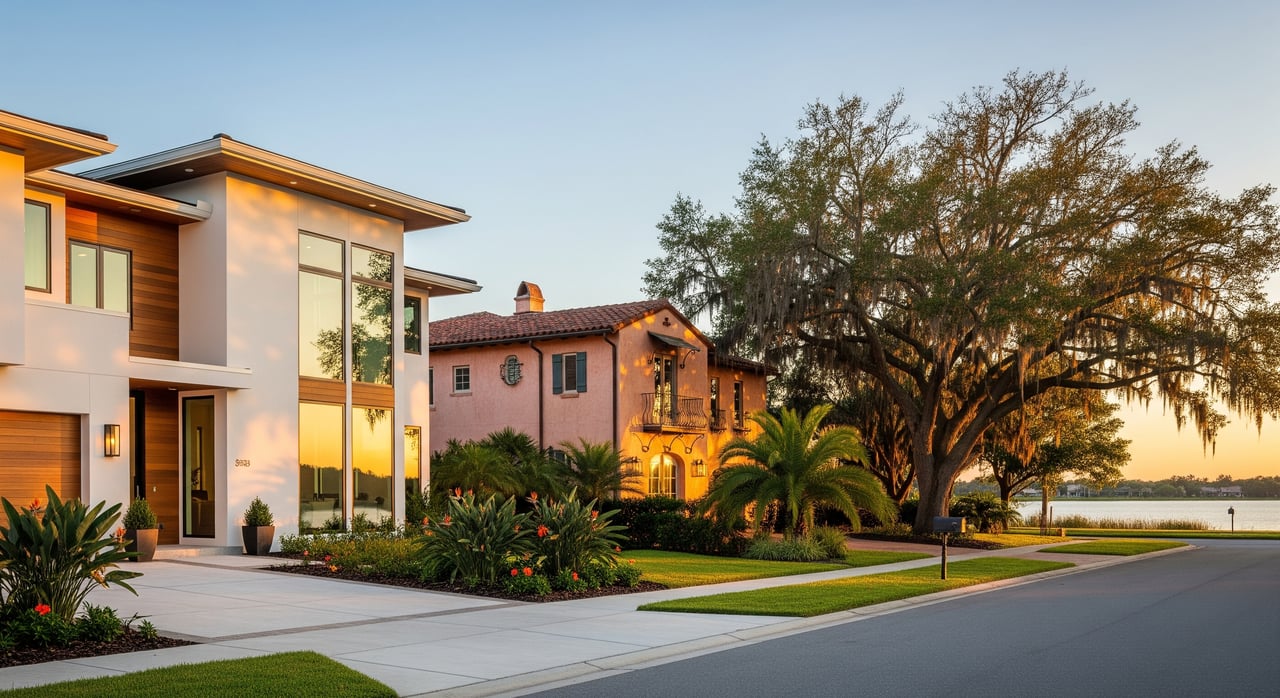
Trying to choose between a shiny new build and a well-kept resale in Lake Nona? With Medical City nearby and steady amenity growth, this choice can feel high stakes. In this guide, you’ll compare timelines, warranties, fees like HOAs and CDDs, incentives, appraisal issues, and lifestyle tradeoffs specific to Lake Nona. Let’s dive in.
Why Lake Nona draws buyers
Lake Nona is a master-planned community in southeast Orlando centered around Medical City, with hospitals, research, and biotech employers. You also have easy access to Orlando International Airport and regional connectors. Ongoing amenity investment and new construction options continue to attract professionals who want a modern home close to work and daily conveniences.
New construction: what to expect
Timeline and closing
- Typical contract to close: about 6 to 12 months for a custom or semi-custom build.
- Quick-move or spec homes can close in roughly 30 to 90 days, depending on completion and lender process.
- Expect possible delays tied to permitting, inspections, materials, or weather.
Warranties and protections
- Most builders offer a multi-year structure often called 1-2-10: one year for workmanship, two years for systems, and up to ten years for structural elements.
- Coverage varies by builder. Ask for the full warranty documents and how to submit claims.
Costs, pricing, and incentives
- New homes often carry a premium for modern design, energy features, and community amenities. Lot premiums and design upgrades add to price.
- Builders commonly offer incentives. These can include closing-cost help, option credits, mortgage rate buydowns, or price reductions on inventory homes.
- Maximum incentives often require using the builder’s preferred lender or title company.
Customization and finishes
- If you contract early, you can select floor plan options and finishes. This personalizes your home but can extend timelines and increase the final price.
- Early buyers in a new phase may wait for amenities to open as the community builds out.
Appraisal and financing
- Appraisals rely on recent closings of similar plans. In fast-evolving communities, comparable sales may be limited.
- Appraisal gaps can happen if pricing moved since you signed. Lenders may require a final inspection or certificate of occupancy before funding.
- Builder-preferred lenders can be convenient, but compare rates and total costs against outside options.
Insurance and hazards
- New homes often include code-level wind mitigation that can help with insurance, though premiums still depend on the home’s location and insurer.
- Confirm flood zones using FEMA maps and ask about elevation and nearby water features. Lenders typically require flood insurance in Special Flood Hazard Areas.
Resale homes: what to expect
Timeline and closing
- Typical contract to close: about 30 to 45 days with financing, often faster for cash.
- Resales can be quicker than new builds if the home is vacant and documents are ready.
Protections and due diligence
- Resales do not include a builder warranty by default.
- Protect yourself with a general home inspection, plus specialized inspections as needed for roof, pool, HVAC, or termites.
- Review the seller’s disclosures, and consider a short-term home warranty purchased at closing.
Costs and condition
- Resales may be priced below new-comparable homes if updates are needed. Renovated resales can command premiums.
- Budget for immediate repairs or refreshes. Major systems like roof or HVAC may be closer to replacement.
Appraisal and financing
- Appraisals use nearby closed sales and are often more straightforward in established neighborhoods.
- Homes with deferred maintenance may see lender-required repairs.
Insurance and hazards
- Insurance depends on age, condition, and risk profile. Factor in potential updates that could lower future costs, like roof or wind mitigation improvements.
- Confirm flood zone status and obtain quotes early in your contingency period.
HOA, CDD, and taxes in Lake Nona
HOA basics
- Many Lake Nona neighborhoods have HOAs. Fees vary with amenities, from basic covenants to resort-style facilities.
- Newer master-planned sections may have higher amenity packages and programming. Established areas may have lower fees with fewer amenities.
- Review CC&Rs, budgets, reserve studies, rules on rentals and pets, and meeting minutes before you commit.
CDD assessments
- Community Development Districts help fund infrastructure such as roads, utilities, and amenities.
- CDD assessments typically show on your annual property tax bill, separate from HOA dues.
- Amounts vary by community, lot type, and bond terms. Request the CDD disclosure to confirm the annual assessment and remaining bond term.
- Special assessments are possible if extra funding is needed. In some communities, CDD fees can decline as bonds amortize.
Property taxes
- Orange County taxes reflect local millage rates and taxable value. New construction may be reassessed at a higher value after purchase.
- Confirm any community benefit assessments and verify school-district assignments if they matter for your household.
Lifestyle and neighborhood maturity
Established resale areas
- Mature landscaping, known traffic patterns, and stable community routines.
- Existing social networks and nearby services are often in place.
- Potential need for interior updates or system replacements.
New or growing communities
- Planned amenities roll out over time, so early residents may wait for full build-out.
- Sidewalks, trails, and commercial nodes are typically planned from the start, with services increasing as population grows.
- Streetscapes can feel uniform as homes are of similar age and style.
Cost of ownership: big picture
- New builds: potential energy savings due to modern insulation, windows, and HVAC, plus warranty coverage for early years.
- Resales: possible lower purchase price, but plan for near-term updates and maintenance.
- Both options require careful review of HOA dues, CDD assessments, insurance, and taxes to understand the full monthly and annual costs.
Buyer checklist: verify before you commit
- Builder warranty documents and claim process.
- CDD disclosure with bond amount, annual assessment, and remaining term.
- HOA documents: CC&Rs, bylaws, budget, reserves, rules, and recent minutes.
- Comparable sales for appraisal context.
- Certificate of occupancy or projected date for new builds.
- Seller property disclosure and maintenance records for resales.
- Flood zone confirmation and FEMA map excerpt.
- Title work and any easements on the property.
Questions to ask
- Builders: What does each warranty period cover, and who handles claims? What completion delays are common here? Which lender or title choices are required for incentives? What is the current CDD amount for this lot type?
- Sellers: What repairs or improvements have been completed? Any pending HOA assessments? Any known issues with structure or systems? Ages of major systems like roof and HVAC?
Which path fits your goals?
- Choose new construction if you want personalization, up-to-date energy features, and multi-year warranties, and you are comfortable with a longer timeline.
- Choose a resale if you prioritize speed, a mature setting, and established comparable sales for appraisal. Budget for updates as needed.
- In Lake Nona, proximity to Medical City is a key driver. Weigh commute convenience against price, amenities, and carrying costs like CDDs and HOAs.
Get local guidance
A balanced view helps you avoid surprises and negotiate better. If you want help comparing specific Lake Nona neighborhoods, deciphering HOA and CDD details, or weighing builder incentives against outside financing, we are here to help. Connect with Richard Sherrod to map a plan that fits your timeline and budget.
FAQs
How long to move into a new Lake Nona build?
- Most custom or semi-custom builds take about 6 to 12 months, while quick-move inventory can close in about 30 to 90 days when available.
Are there fees beyond HOA dues in Lake Nona?
- Many communities include CDD assessments that appear on your property tax bill, so review the specific lot’s CDD disclosure before you commit.
Will a new home be more energy-efficient than a resale?
- Generally yes, due to modern insulation, windows, and HVAC, but ask for builder specifications and any available energy ratings.
Do Lake Nona builders offer warranties on new homes?
- Most use multi-year structures commonly known as 1-2-10, but coverage details vary, so request the full warranty documents.
Can you negotiate builder incentives in Lake Nona?
- Often yes, including closing-cost help, upgrades, and rate buydowns, with availability tied to inventory levels and builder policies.